
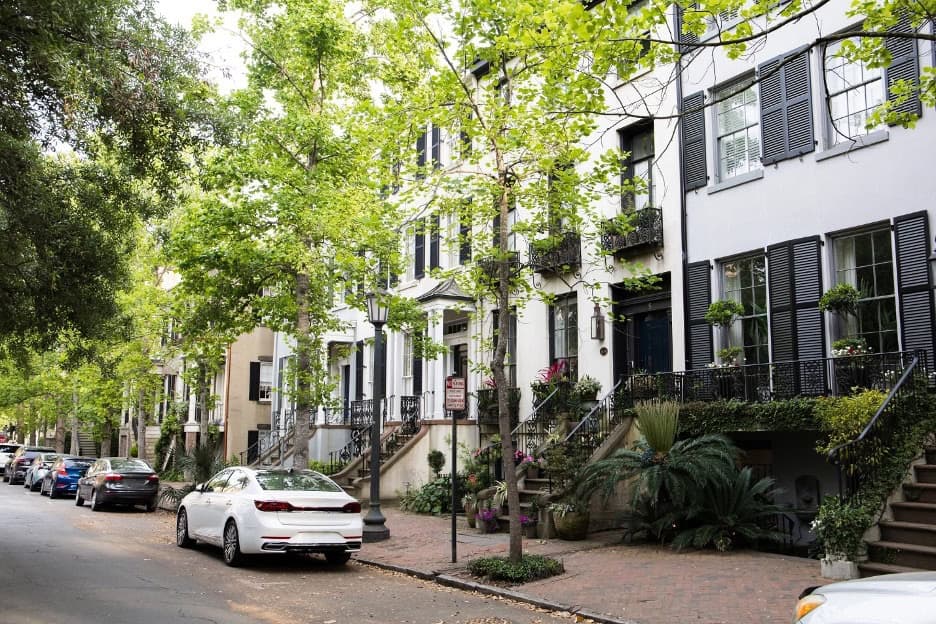
When most homeowners think about saving energy, landscaping probably isn’t the first thing that comes to mind. But your yard plays a big role in how hard your HVAC system has to work. The trees around your house, the ground cover next to your walls and the plants near your outdoor unit all affect how much heat reaches your home and how easily your air conditioner can get rid of it.
At McDonald Home Services, we see the results every day across Sarasota and Bradenton. Smart landscaping lowers cooling costs and helps equipment last longer. Poor landscaping chokes outdoor units, invites pests and leads to avoidable repair calls. Here is how to make your yard work with your HVAC system instead of against it.
Plant Shade Where the Sun Hits Hardest
In Florida, the strongest heat gain comes through east-facing windows in the morning and west-facing walls and windows in the late afternoon, when the sun is low and the day is at its hottest. Shade on those sides can lower indoor temperatures noticeably, so your air conditioner doesn’t have to work as hard.
- West and east sides first. Shade trees or tall shrubs on these sides block the low-angle sun that windows and walls soak up.
- Choose broad canopies. Most palms look great but cast little shade. Native shade trees with wide canopies do far more to cool a roof and walls.
- Mind the mature size. Plant large trees far enough from the house that their roots stay clear of the foundation and their limbs stay clear of the roof as they grow.
- Shade the windows, not just the yard. Trellises with vines, shrubs and awnings can shade individual windows that a tree can’t reach.
Give Your Outdoor Unit Shade and Airflow
Your outdoor condenser releases the heat pulled out of your home. It works best when it can pull in cool air and push hot air away freely. According to the U.S. Department of Energy, an air conditioner operating in the shade uses as much as 10 percent less electricity than the same unit in full sun. The key is shade without blocking airflow.
- Leave at least two feet of clear space on all sides of the unit, and about five feet of open space above it.
- Use a tree canopy, a pergola or a shade structure set well above the unit for overhead shade. Never cover the top of the unit.
- If you screen the unit with shrubs or fencing for looks, keep the screen open enough for air to move and leave a gap for a technician to work.
- Avoid planting trees and shrubs that drop a lot of leaves, seeds, flowers or needles near the unit. Debris clogs the coil fins and cuts efficiency.
Reduce Reflected Heat Around Your Home
Hard surfaces such as driveways, pavers, bare concrete and decorative rock absorb sunlight and radiate heat back onto your walls, windows and outdoor unit long after sunset. Replacing some of that hardscape with grass, ground cover or mulched planting beds helps keep the area around your home cooler.
This matters most next to the condenser. A unit sitting on a bright concrete patio in full afternoon sun pulls in hotter air than one surrounded by plants and shade, so it has to work harder to cool your home.
Keep Irrigation and Lawn Care Away From the Unit
Everyday yard work can be hard on outdoor HVAC equipment:
- Aim sprinklers away from the condenser. Many Florida neighborhoods irrigate with reclaimed water, which can leave mineral deposits and speed corrosion on coils and cabinets. Adjust heads so they don’t spray the unit.
- Blow clippings away from it. Point the mower’s discharge chute and leaf blower away from the unit so grass and debris don’t pack into the coil.
- Keep string trimmers back. Trimmer line can nick refrigerant line insulation and wiring.
- Use care with fertilizer and weed killer. Chemicals and lawn treatments can corrode metal parts over time.
Watch for Pests That Love HVAC Equipment
Dense plantings and mulch beds pushed up against an outdoor unit give pests easy access. Fire ants in particular are drawn to the electrical parts inside condensers and can build nests that short out contactors. Keep mulch and ant mounds away from the pad, keep vines off the cabinet, and treat ant activity near the unit promptly.
Plan Around Underground Lines and Drains
Refrigerant lines, electrical service and the condensate drain all run between your outdoor unit, your air handler and the outside of your home. Before you dig a new bed, plant a tree or install pavers, find out where those lines run. Large tree roots can damage buried lines over time, and a condensate drain that gets buried or crushed can back up into your home.
Storm-Smart Landscaping
Hurricane season adds another reason to plan carefully. Trees with weak or overhanging limbs near the outdoor unit can drop branches that crush the cabinet or bend the coil. Keep trees healthy and trimmed, and remove dead limbs before storm season. Avoid loose decorative rock or gravel near the unit, which can become projectiles in high winds.
Quick Landscaping Checklist for Better HVAC Efficiency
- Shade trees or tall shrubs on the west and east sides of the house
- Two feet of clearance around the outdoor unit and open space above it
- Overhead shade for the unit that doesn’t block airflow
- Ground cover or planting beds instead of bare concrete near the unit
- Sprinklers aimed away from the condenser
- Mower and blower discharge pointed away from the unit
- No mulch, vines or ant mounds touching the pad
- Trees trimmed back from the unit before hurricane season
Pair Smart Landscaping With Regular Maintenance
Landscaping helps your system work less, but it doesn’t replace professional care. A yearly tune-up cleans the coils, clears the condensate drain and catches small problems before they become breakdowns. See our AC maintenance and tune-up service, and for more ways to save, read our tips to lower energy bills during Florida heat.
Planning a yard update? Talk to us first. We can tell you where your lines run, how much clearance your unit needs and whether relocating equipment makes sense before the landscapers start.
Call McDonald Home Services at (941) 360-9898 or send us a message. Free estimates on new systems. No overtime fee.

Bob Bermudez, MBA, is the President and Owner of McDonald Home Services (Jim McDonald & Sons Heating & Cooling), a family-run HVAC and plumbing company serving Bradenton, Sarasota, and Manatee County since 1970. Before buying the company, Bob spent his career on the manufacturing and distribution side of HVAC — a background that shapes how he advises homeowners on equipment.