
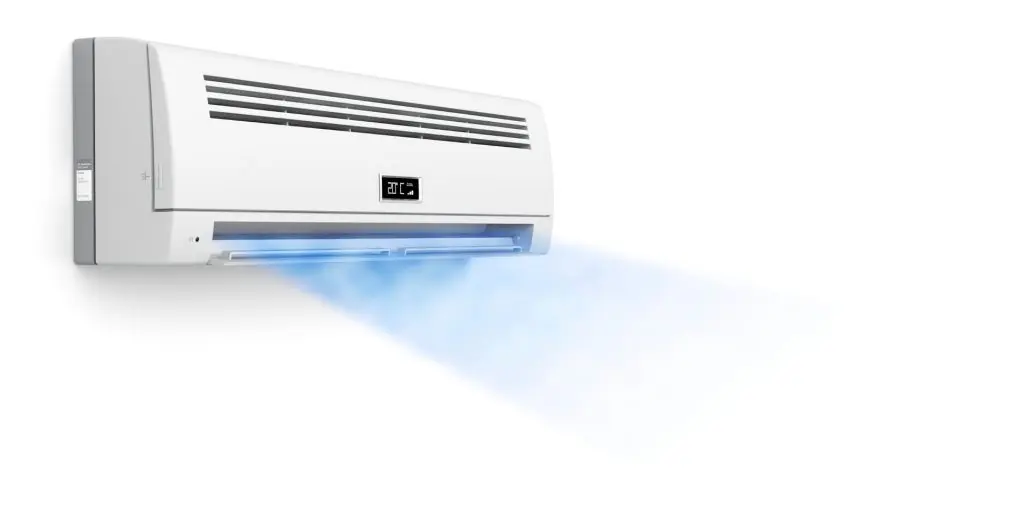
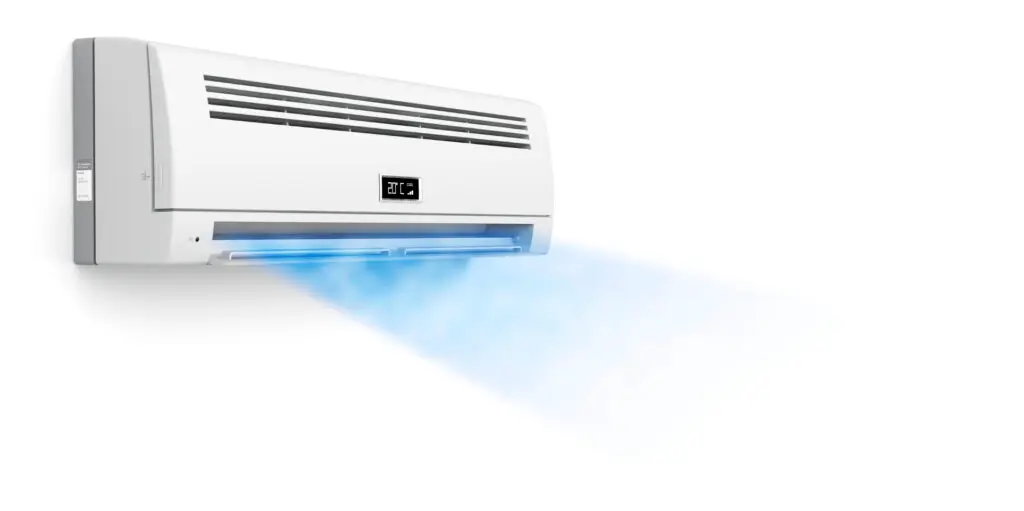
Ductless systems, often called mini-splits, have gone from a niche product to one of the most requested upgrades in Sarasota and Bradenton homes. They cool through our long, humid summers, they heat on the handful of chilly nights we get each winter, and they do both without a single foot of ductwork.
If you have a room that never gets comfortable, an addition with no ducts, or an older home where running ducts would mean tearing into walls and ceilings, it may be time to go ductless. This guide covers how these systems work, where they make the most sense, what they cost to own, and when a different setup is the better call.
How a Ductless System Works
A ductless mini-split has two main parts. An outdoor unit (the condenser) sits on a pad outside, much like a standard air conditioner. Inside, one or more slim air handlers mount high on a wall, on the ceiling, or in a floor console. A small bundle of refrigerant lines, power wiring and a condensate drain connects them through a hole about three inches wide in the wall.
Each indoor unit has its own fan, filter and remote or wall control. A single-zone system pairs one outdoor unit with one indoor unit. A multi-zone system runs several indoor units from one outdoor unit, so each room or area gets its own thermostat setting.
Most ductless systems are heat pumps. In summer they pull heat out of your home and release it outside. In winter they reverse and move heat from the outdoor air into your home. Because they move heat instead of burning fuel to create it, they use far less energy than electric resistance heat or a furnace in a mild climate like ours.
Why Ductless Works So Well in Southwest Florida
Lower energy bills
Ducts are a common source of wasted energy. ENERGY STAR estimates that a typical home loses 20 to 30 percent of the air moving through its duct system to leaks, holes and poorly connected sections. In Florida, many of those ducts run through attics that can top 130°F in summer. A ductless system delivers cooled air straight into the room, so none of it is lost on the way.
Most mini-splits also use inverter-driven compressors. Instead of switching fully on and fully off, the compressor speeds up and slows down to match the load. That means steadier temperatures, fewer energy-hungry start-ups, and lower bills over the course of a long cooling season.
Better humidity control
Because an inverter system runs longer at lower speeds, air spends more time moving across the cold indoor coil. That pulls more moisture out of the air. In a climate where humidity is often the real comfort problem, many homeowners notice that rooms feel drier and more comfortable at the same thermostat setting.
Room-by-room comfort
With a multi-zone system, every indoor unit can hold its own temperature. The kitchen can run cooler while you cook, the guest room can sit idle until company arrives, and the bedroom can be set exactly where you sleep best. You only cool and heat the spaces you are actually using, which is better for your bill and for the environment.
Heat for the few cold nights we get
Sarasota winters are short, but there are always a few nights when you are glad to have heat. A ductless heat pump handles those mornings easily and costs far less to run than space heaters or electric strip heat. You get year-round comfort from one system instead of paying for a separate heater you rarely use. Learn more about ductless heating in Sarasota, FL.
Simple, low-disruption installation
Installing new ductwork means opening walls and ceilings in every room it passes through. A ductless install needs only a small opening for the line set at each indoor unit. Most single-zone installs are done in a day, and there is no ductwork to build, seal or insulate.
Where Ductless Makes the Most Sense
Ductless is not the right answer for every home, but it is often the best one in these situations:
- Additions, bonus rooms and garage conversions. Extending existing ducts to a new space often leaves it under-cooled. A dedicated ductless unit solves that without overloading your central system.
- Enclosed lanais and sunrooms. Glass-heavy rooms gain a lot of heat in the afternoon. Their own unit keeps them usable without making the rest of the house too cold.
- Older homes without ducts. Many older Florida homes, and homes with block construction or low attics, are hard to retrofit with ductwork.
- Problem rooms. A west-facing bedroom or a second story that is always hotter than the rest of the house can be fixed with one indoor unit.
- Workshops, offices and guest suites. Spaces you use at different times than the rest of the house are ideal for independent control.
What to Weigh Before You Buy
A ductless system usually costs more up front than a basic central air conditioner, especially as you add zones. Each indoor unit is a separate piece of equipment, so a whole-home multi-zone system can carry a significant price. The savings come back over time through lower energy use, better comfort and fewer trips to the thermostat.
Some homeowners also don’t love the look of a wall-mounted unit. If that is a concern, ask about ceiling cassettes, floor consoles or slim concealed-duct units that hide in a closet or soffit. Placement matters as well. Each indoor unit needs to be sized for its room and positioned so it can move air across the space without blowing straight onto people.
If your home already has a central system with ductwork in good condition, a ductless unit is often best as a supplement rather than a full replacement. We can help you decide which approach makes sense for your home and budget.
Keeping a Ductless System Running Well
Ductless systems are easy to live with, but Florida humidity means they still need regular care:
- Clean the indoor filters. Most units have washable mesh filters behind the front panel. Rinse them every few weeks during heavy use and let them dry fully before putting them back.
- Keep the outdoor unit clear. Leave about two feet of open space around it and remove leaves, grass clippings and vines.
- Watch the condensate drain. Water dripping from an indoor unit usually means a clogged drain line that needs attention.
- Schedule professional service once a year. A technician will clean the indoor coil and blower wheel, check refrigerant and electrical connections, and clear the drain. In our climate, coils that are not cleaned can grow mold and develop a musty smell. See our AC maintenance and tune-up service.
Is It Time to Go Ductless?
If you are tired of hot rooms, high bills or a heater you barely use, a ductless system may be the most efficient way to fix it. Our team has installed and serviced ductless systems across Sarasota and Manatee Counties for years, and we will give you an honest recommendation, whether that is a single mini-split, a multi-zone system or an upgrade to the equipment you already have. Explore our ductless mini-split installation and service.
Ready to go ductless? Contact McDonald Home Services or call (941) 360-9898. Cooling Sarasota and Manatee Counties since 1970.

Bob Bermudez, MBA, is the President and Owner of McDonald Home Services (Jim McDonald & Sons Heating & Cooling), a family-run HVAC and plumbing company serving Bradenton, Sarasota, and Manatee County since 1970. Before buying the company, Bob spent his career on the manufacturing and distribution side of HVAC — a background that shapes how he advises homeowners on equipment.